What Is the IMS Service on Android?
Explain Android IMS service for VoLTE and Wi‑Fi calling: why it runs, permissions, battery, no-service symptoms, and safe troubleshooting without disabling carriers.
Seeing IMS service, IMS, or related system entries on Android battery or app lists? On modern phones this usually means the IP Multimedia Subsystem stack that carriers use for VoLTE (voice over LTE) and Wi‑Fi calling (VoWiFi) — not a sideloaded virus.
This guide explains what IMS is doing, why it needs network privileges, when “no service” or call failures relate to IMS registration, and what not to freeze with package disablers.
What IMS does on a phone
In plain English, IMS lets your carrier carry voice (and related services) over data networks:
- VoLTE — voice calls over LTE/4G data bearers
- VoWiFi — calls over Wi‑Fi when cellular is weak
- Sometimes enriched calling features depending on carrier and region
- Registration and signaling so the network knows your phone can receive IP voice
Android exposes pieces of this as system services or apps with cryptic names. You do not open “IMS” like a game; it registers in the background when the radio and SIM are ready.
You will notice IMS-related activity when:
- Enabling Wi‑Fi calling
- Traveling between Wi‑Fi and cellular
- After a major Android update reshuffles radio configs
- Battery graphs blame a phone/IMS process on a weak-signal day
Quiet registration in the background is normal.
IMS, signal bars, and “no service”
IMS problems and classic “no service” overlap but are not identical. You can have LTE data without working VoLTE if voice registration fails; you can also have no cellular registration at all. For the broader radio troubleshooting mindset — SIM, airplane toggle, carrier outage — the iPhone-focused but still useful cellular checklist in iPhone no service fix maps cleanly to Android habits: rule out outage, SIM, and software before assuming a dead baseband.
| Symptom | More IMS / VoLTE flavored | More general radio |
|---|---|---|
| Data works, calls fail | Yes — check VoLTE | Possible |
| Wi‑Fi calling won’t stay on | Yes | Less likely |
| No bars, no data | Possible deeper radio | Start here |
| Only broken on 5G | Network mode / SA quirks | See 5G notes below |
Is IMS malware?
| Check | Good sign | Bad sign |
|---|---|---|
| App location | System / carrier / OEM | Random APK “Network Booster” |
| Timing | Present since setup | Appeared after sideload |
| Behavior | Quiet except call/register | Ads, overlays, SMS theft |
| “Fix” offered | Carrier settings update | Discord link to IMS.apk |
Malware does not need to call itself IMS to hurt you. Fake signal apps that ask you to disable system IMS packages are the danger.
Permissions — why so sensitive?
IMS components sit near telephony. They may show permissions related to:
- Phone / network state
- Internet / background data
- Wi‑Fi state for VoWiFi
- Carrier configuration access (OEM-specific)
Revoking those “for privacy” often produces missed calls or fallback to legacy voice that your SIM no longer supports well. Prefer toggling Wi‑Fi calling or VoLTE in the UI over stripping system permissions.
5G, VoLTE, and call drops
Some devices struggle when preferred network mode forces 5G in weak SA coverage: data may limp along while voice registration flaps. Temporarily preferring LTE or disabling 5G for a test is a valid experiment — see the reasoning in disable 5G on iPhone and Android. If calls stabilize on LTE, you have a network-mode clue for the carrier, not a reason to delete IMS.
What you should (and should not) do
Do
- Confirm the SIM is active and seated
- Toggle Airplane mode, then reboot
- Turn VoLTE / Wi‑Fi calling off and on after a minute
- Update carrier services / system software
- Test another SIM or a friend’s phone on the same account when possible
- After messy OS upgrades, skim Android 16 problems after update for radio regressions
Do not
- Freeze IMS with “Game Booster” package tools
- Install “VoLTE enabler” APKs from random GitHub mirrors on locked carrier phones
- Factory reset as step one without noting whether Wi‑Fi calling was required at your address
- Ignore water or drop damage if voice died after an impact — soft resets still first, then hardware
Battery blame — calm workflow
If Battery names an IMS / Phone process:
- Note signal strength and whether you are camping on Wi‑Fi calling
- Finish any stuck system update
- Reboot and avoid basement signal tests for 24 hours of comparison
- Check for apps holding a false “ongoing call” state
- Only then dig into OEM battery lists
Weak signal makes radios (including IMS registration retries) expensive. Moving to a window can “fix” more than a cleaner app.
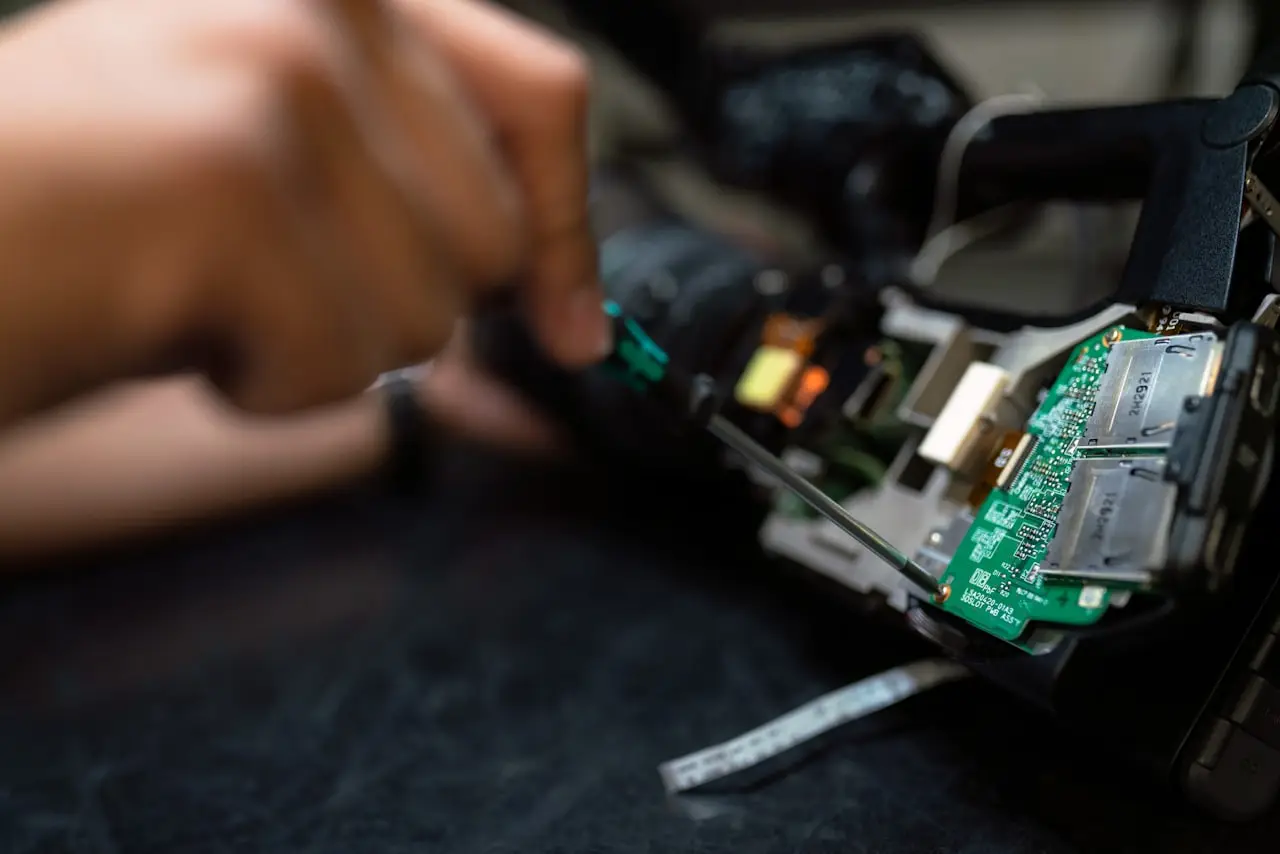
After repair or board work
Shops that reseat boards, replace screens with poor cable work, or flash the wrong firmware can leave you with data but broken IMS voice — or the reverse. Before service, document:
- Whether SMS, voice, and data fail together or separately
- Wi‑Fi calling behavior at home
- Exact error tones / “mobile network not available” text
Prep accounts and backups with before sending a phone for repair. Afterward, expect a period of re-registration; persistent failure needs carrier provisioning checks (SIM profile) as much as screwdriver work.
How to talk to carrier support
Useful details:
- Model, Android version, software build
- Whether VoLTE icon / HD voice indicators appear
- Wi‑Fi calling status
- Whether airplane toggle temporarily restores dial tone
- Whether 5G-only mode correlates with failures
Ask them to refresh IMS provisioning rather than accepting “buy a new phone” as answer one when soft symptoms point to registration.
Related FixingHacks guides
- iPhone no service fix
- Disable 5G on iPhone and Android
- Android 16 problems after update
- Before sending a phone for repair
Bottom line
The IMS service on Android is the carrier IP-voice framework behind VoLTE and Wi‑Fi calling. Leave system IMS components enabled, toggle official voice settings when troubleshooting, test LTE vs 5G calmly, and escalate to carrier provisioning or repair prep when soft resets fail — not to random APK “signal fixers.”
Frequently Asked Questions
What is the IMS service on Android?
IMS (IP Multimedia Subsystem) is the framework carriers use for modern IP voice features such as VoLTE and Wi‑Fi calling. On Android you may see IMS-related system components keeping those services registered.
Is IMS malware?
No. IMS-related system packages are normal on phones that support VoLTE/VoWiFi. Scare posts often mislabel carrier services. Verify they are system apps and came with the device.
Can I disable the IMS service?
You usually should not. Disabling IMS components can break calling, SMS over IMS, or Wi‑Fi calling. Toggle VoLTE/Wi‑Fi calling in settings instead of freezing system packages.
Why does IMS appear in battery stats?
IMS registers with the network for voice. Poor signal, stuck registration, or constant radio hunting can raise power use. Fix signal and software glitches before deleting system services.
Related fixes
Facing Blank White Screen During Receiving Call?
Fix Android blank white call screen: InCallUI crashes, IMS/VoLTE glitches, overlays, force restart steps, and when to stop and prep for repair.
Read the fixWhat Does RTT Mean on Android?
Explain RTT on Android phones: Real-Time Text for accessibility calling, how it differs from SMS, IMS/VoLTE requirements, and how to turn it on or off.
Read the fixWhat Is com.android.server.telecom?
Explain Telecom (com.android.server.telecom), how Android manages calls, IMS relationships, blank-call issues, and why you should not disable Telecom.
Read the fix