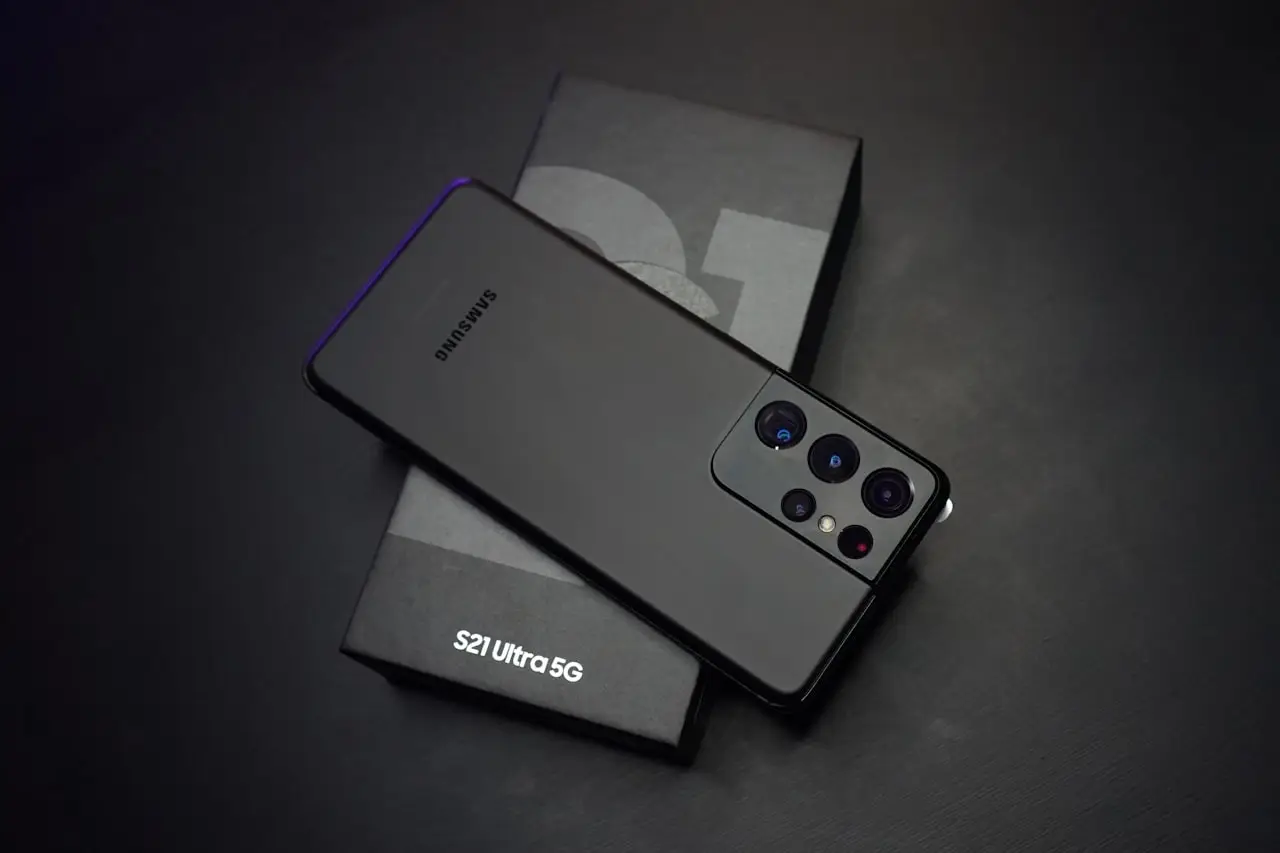
Samsung Aftermarket vs OEM Screen Differences
Galaxy aftermarket OLED/LCD vs OEM — brightness, color, fingerprint ultrasonic/optical, auto-brightness, True tone-like behavior, bezels, and how to set customer expectations.
Samsung aftermarket screens are not “fake OEM with a sticker.” They differ in stack, brightness, color, and biometrics. Shops that skip the briefing inherit day‑two fingerprint fights.
Related: fingerprint after screen · S25 Ultra fingerprint · no image / FPC · FPC reflow.
Practical differences
| Area | OEM / service pack | Typical aftermarket |
|---|---|---|
| Peak brightness | Full outdoor punch | Often dimmer |
| Color / gamma | Tuned | Oversat or green/pink shift |
| Ultrasonic FP | Designed to match | Hit-or-miss; needs calibration |
| Auto-brightness | Stable | Hunting / dull |
| Touch ghosts | Rare | More common on cheap tiers |
| True Tone–like warmth | N/A / adaptive | Inconsistent |
| Bezel / glue Cosmetics | Precise | Visible edges |
What to tell the customer (verbatim energy)
- Aftermarket can look great indoors and lose outdoor brightness
- Fingerprint may need bare-glass re-enroll; some panels never match OEM
- Warranty covers install workmanship; cosmetic grade was chosen with the price
- If they need OEM behavior, sell OEM / Samsung service
Install notes that fake “bad aftermarket”
- Display FPC not fully seated → no image
- Light sensor foam missing → stupid auto-brightness
- Wrong protector → ultrasonic fail
- Bent frame → touch ghosts
Use proper open tools: separator + precision set.
Bottom line
Disclose grade → install cleanly → demo FP + outdoor brightness. Aftermarket is a product choice, not a surprise.
Frequently Asked Questions
Will fingerprint work on aftermarket?
Soft/hard OLED quality varies wildly. Ultrasonic flagships are pickiest. Always quote fingerprint as ‘best effort’ unless using known-good parts + calibration.
Why is auto-brightness weird?
Different light-sensor calibration or missing foam/light pipes after install — not always ‘bad panel firmware’.
Incell / soft OLED / hard OLED?
Marketing grades. Soft OLED usually looks closer to OEM; cheap hard OLEDs show black crush and poor angles. Know what you sold.
Same as iPhone Important Display message?
Samsung is less message-centric; the customer feels quality instead. Still disclose aftermarket clearly.
Can FPC reflow be blamed on aftermarket?
If pressure restores image on a new panel, suspect board connector — see FPC reflow guide — not only ‘bad aftermarket’.
As an Amazon Associate, I earn from qualifying purchases. Affiliate disclosure
Related fixes
S25 Ultra Fingerprint Broken After Screen?
Samsung Galaxy S25 Ultra ultrasonic fingerprint fails after display replacement — protector tests, re-enrollment, One UI calibration, and when the OLED stack is incompatible.
Read the fixSamsung Fingerprint Broken After Screen Replacement?
Fix Galaxy under-display or side-mount fingerprint failures after a new screen — Samsung calibration menus, Good Lock myths, protector thickness, and ultrasonic sensor realities on recent Galaxies.
Read the fixWhat Is the Android Secure Folder?
Explain Samsung Secure Folder (android_secure / Knox), how to set it up, move apps, troubleshoot lockouts, and prepare safely before phone repair.
Read the fix